CONTENTS:
At the beginning…
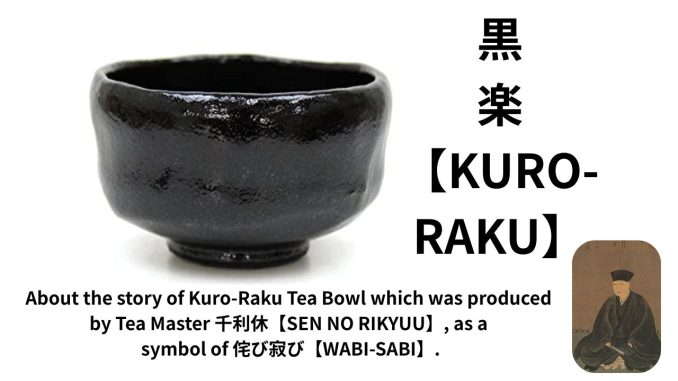
1.What’s 黒楽【KURO-RAKU】pottery?
2.Why is it seemed so important? A story about 秀吉【HIDEYOSHI】and 利休【RIKYUU】.
3.Battle age Golden Mode VS WabiSabi
4. 切腹と朝鮮出兵.Wish for peace of Sen Rikyuu.
5.Features and attractions of 黒楽【KURORAKU】.
There are a lot of kind of Matcha tea bowl potteries depend on their potteries, kind of soils and glaze, techniques, design or purpose though,
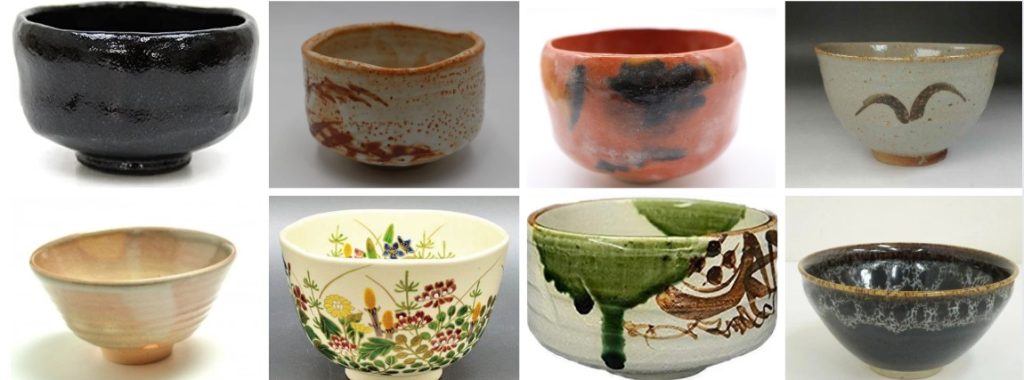
it is said among the tea peoples, that kinds of Matcha-Tea Bowl are ranked as “一楽・二萩・三唐津“【ICHI-RAKU・NI-HAGI・SAN-KARATSU】;(First 楽【RAKU】, Second 萩【HAGI】, And Third 唐津【KARATSU】).
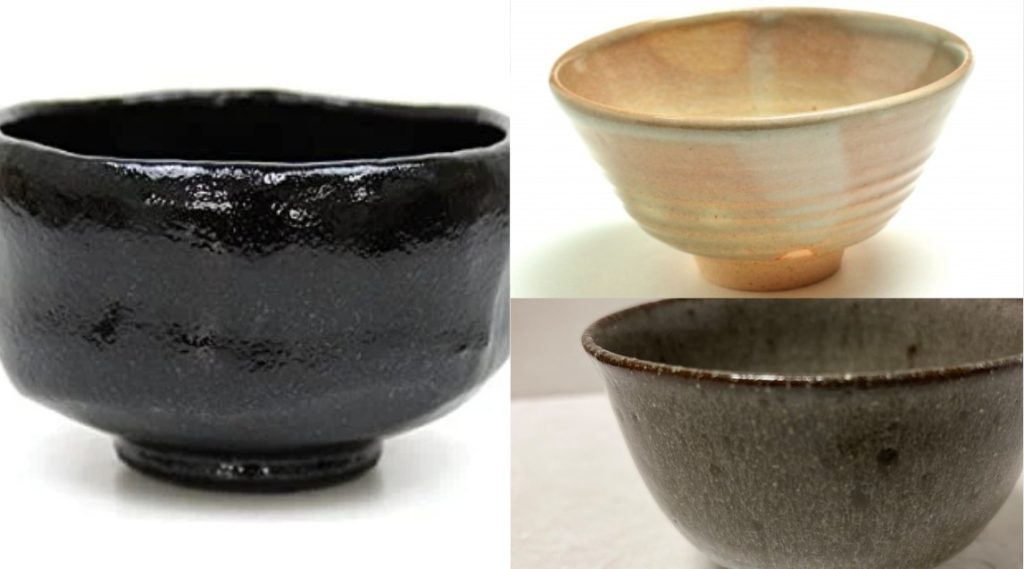
So, why is 楽焼【RAKU-YAKI(pottery)】considered the most important? Let’s find out together with this blog.
1. What’s 黒楽【KURO-RAKU】wares ?
黒【KURO】means “Black”, and 楽【RAKU】means “relax”, ”fine without pains” and “happy” .
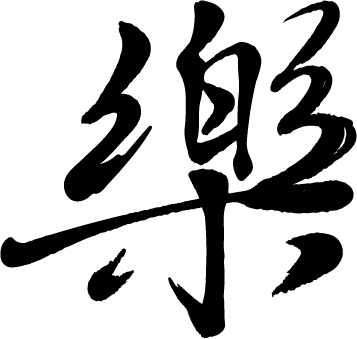
It is said 漢字(Chinese character)of 楽【RAKU】is shaping a person dancing with bells of Shinto ritual in one’s both hands on the top of tree stump/or a shape of ancient bell’s musical instruments.
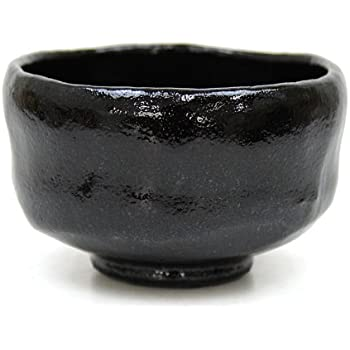
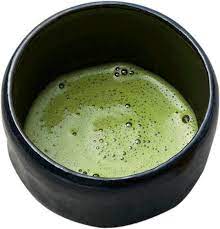
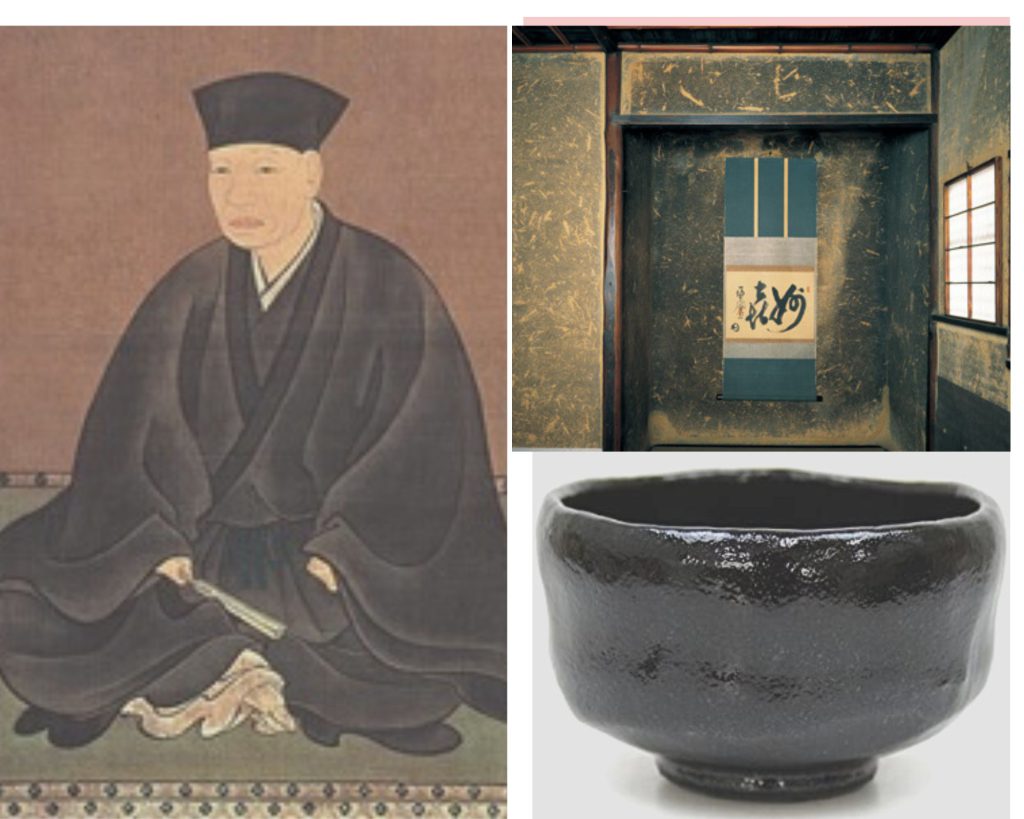
A whole surface of 黒楽【KURO-RAKU】 tea bowl is entirely covered by beautiful, smooth, soft, and shiny black glaze looks like 漆器【SHIKKI】or 漆【URUSHI(JAPAN lacquer wears)】. That matches bright yellow green of 抹茶【MATCHA】so much.
The surface of the Kuro Raku tea bowl is covered entirely, right up to the base, in a smooth, soft, and shining black glaze. This jet-black color is achieved by mixing black stones including iron from 京都【KYOTO】’s 鴨川【KAMO-GAWA(River)】 into the 釉薬【YU-YAKU(glaze)】, then applying and drying it. The process are repeated more than ten times.
The bowl is then finished by firing it for a short time at a high temperature, and then rapidly cooling it after removal from the kiln, creating a unique luster.
The glossy 漆黒【SHIKKOKU(jet black)】 perfectly complements the light green color of 抹茶【MATCHA】.
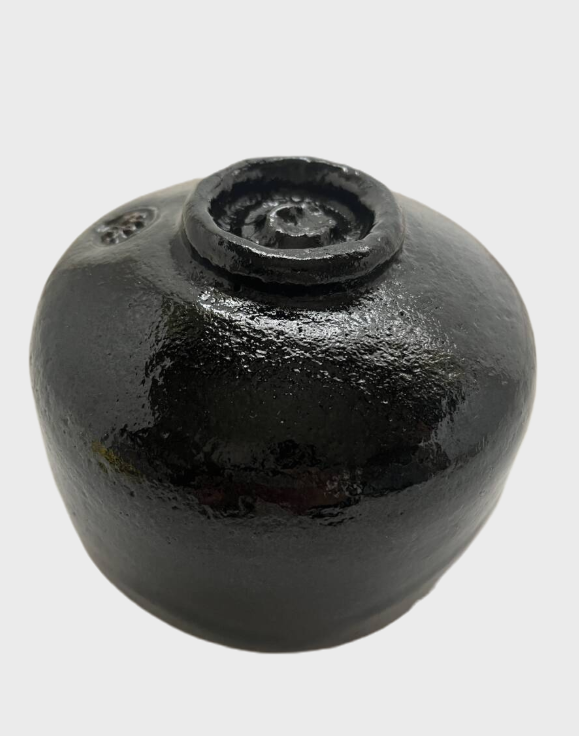
The shape of it is not artificial but having warm, soft curves and waves that fit one’s hands who hold it naturally and comfortably, because it’s made by hands and spatulas without using potter’s wheel. The beautiful surface of deep shiny black is achieved by applying black glaze including black stones from the 鴨川【KAMO-GAWA(Liver)】of 京都【KYOTO】and letting it dry, repeating this process more than 10 times.
Firing at low temperatures also make this pottery soft, too.
The foot of tea bow is cut by small knife by hand, one by one.
Furthermore, because Raku tea bowls were designed and created by 千利休【SEN NO RIKYUU】 as “tea bowls especially for 抹茶【MATCHA】,” they have a lot of features and all of those ingenuities are for enjoying Matcha, green powdered tea.
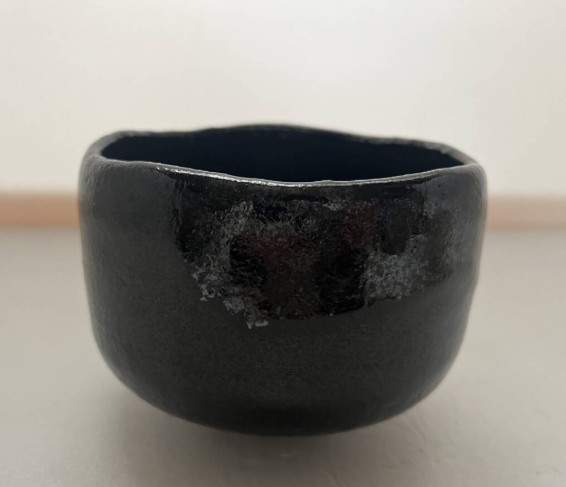
Furthermore, the inside of the tea bowl has a step called a 茶筅摺り【CHASEN-ZURI】 to make it easier to move the tea whisk, and a depression called a 茶溜まり【CHA-DAMARI】to make the tea remaining in the bowl look beautiful after drinking.
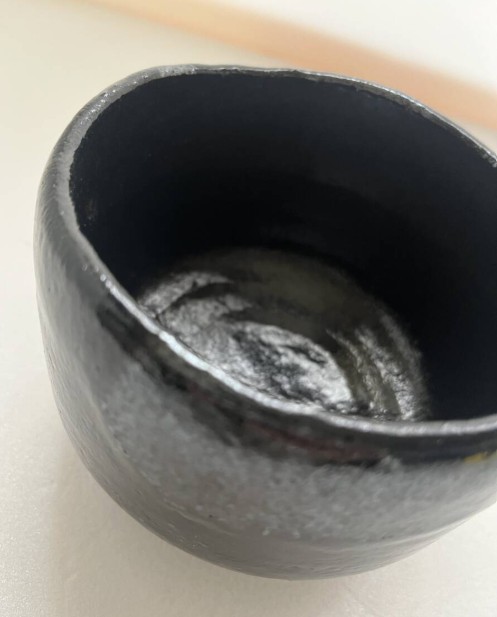

They are both produced by the most famous tea master, 千利休【SEN NO RIKYUU】, who had perfected 茶道【SADOU(The Way of Tea)】 , at 戦国時代【SENGOKU-JIDAI( battle age)】 in 16 Century, at that age’s ruler was the 太閤【TAIKOU(Ruler)】豊臣秀吉【TOYOTOMI HIDEYOSHI】.
2.Why is 黒楽【KURO‐RAKU】seemed to be so importantly among the peoples of 茶道【SADOU】?
It may come as a surprise to those who are not aware that the Way of Tea , one of most tranquil, polite, and peaceful cultures, was born during the 戦国時代【SENGOKU-JIDAI(1467‐1590)Battle-country period)】, most violent period.
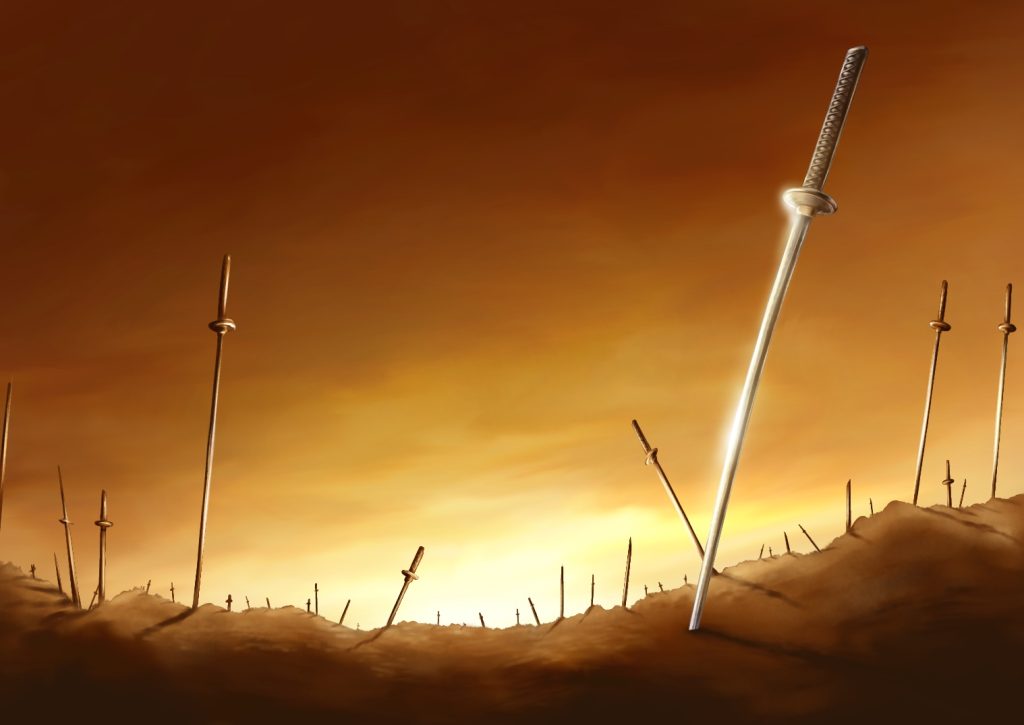
This was an era in which the previous authority of the 室町【MURIMACHI(1336‐1573)】shogunate was declining, and powerful people known as 戦国大名【SENGOKU DAIMYOU】 were rising to power in various regions and fighting over territory.
Near the end of Battle period, 豊臣秀吉【TOYOTOMI HIDEYOSHI】 succeeded 織田信長【ODA NOBUNAGA】 to unify the country.
Tea master 千利休【SEN NO RIKYUU】 was tea instructor of Nobunaga, followed by Hideyoshi.
During that time, 闘茶【TOU-CHA(Tea Battle)】 was popular among warlords. They enjoyed gambling expecting Tea-producing regions betting expensive 高麗【KOURAI】or foreign唐【KARA/TOU】’s foreign tea utensils, drinking SAKE, in large rooms.
At that age, golden gorgeous mode and Wabi-Sabi chick mode were both popular.
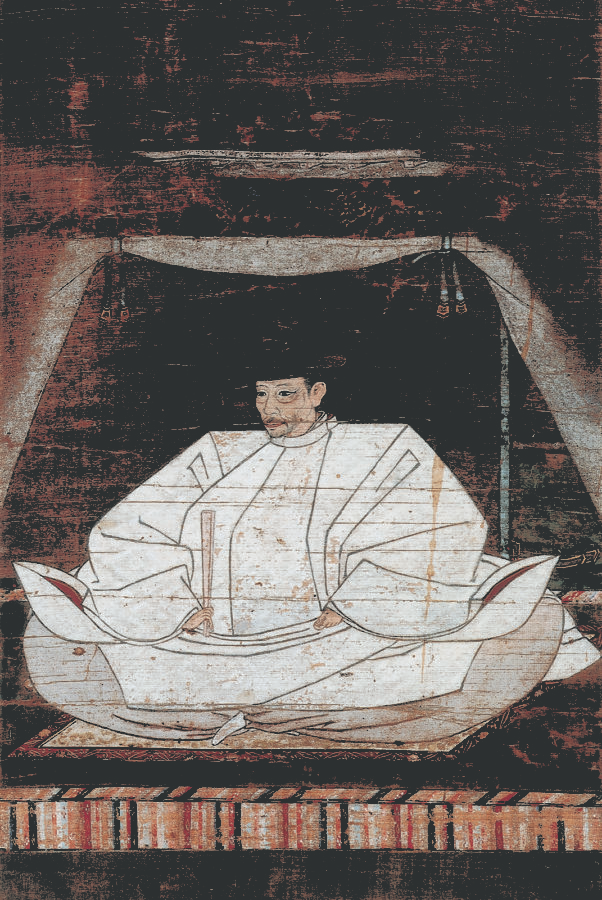
Hideyoshi prefered gorgeous and he made Rikyuu build a Golden Tea room.
He started to send troopers

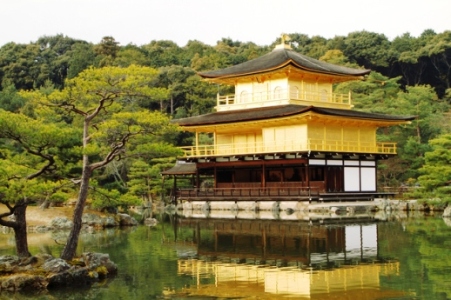
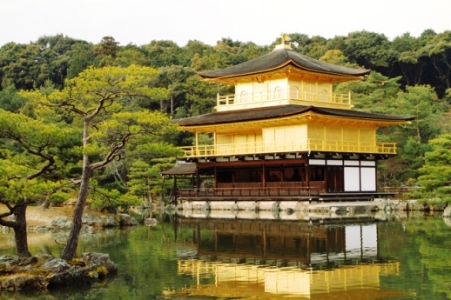
Overall, a gorgeous, gilded culture was in vogue, as exemplified by the thick paintings on gold backgrounds of the Kano school and the Kinkaku-ji Temple built by Ashikaga Yoshimitsu, the third Muromachi shogun.
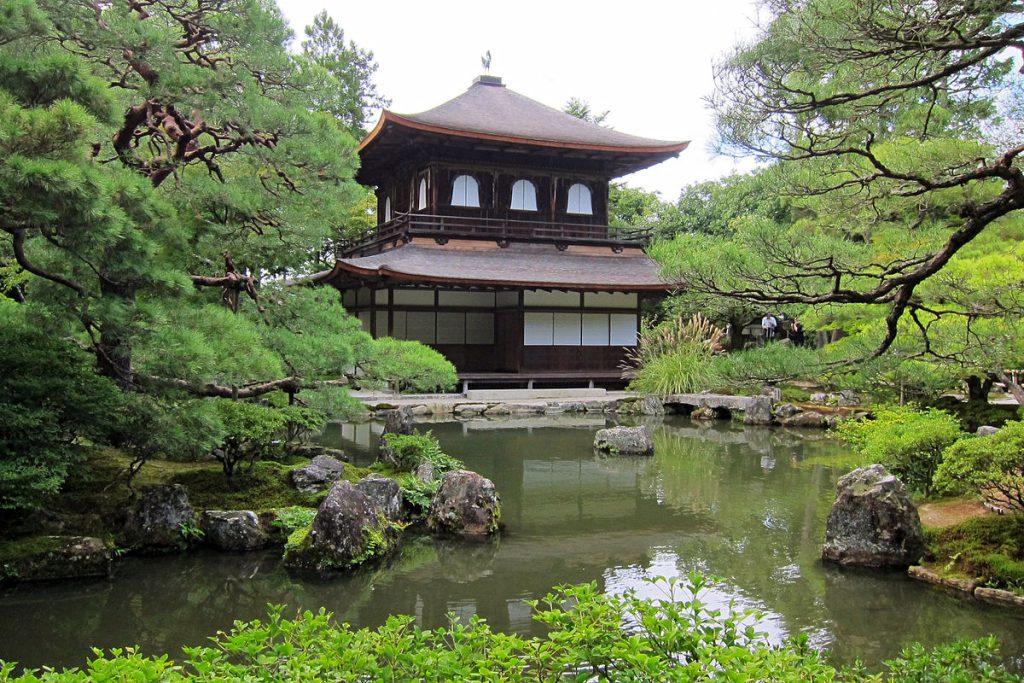
The sixth Muromachi shogun, Ashikaga Yoshimasa, favored the simple shoin-zukuri style and Higashiyama culture, which was influenced by Zen Buddhism and is represented by Ginkakuji Temple.
Murata Juko, the teacher of Sen no Rikyu’s teacher, also advocated the wabi-sabi style of tea ceremony held in a modest small tea room.
However, Hideyoshi, who was a bold and generous man had a golden tea room built (although I won’t go into detail here, but there was also the world situation, which was a reaction to countries being colonized by powerful foreign nations), and he sent troops to Korea and brought back many potters who produced expensive tea utensils.
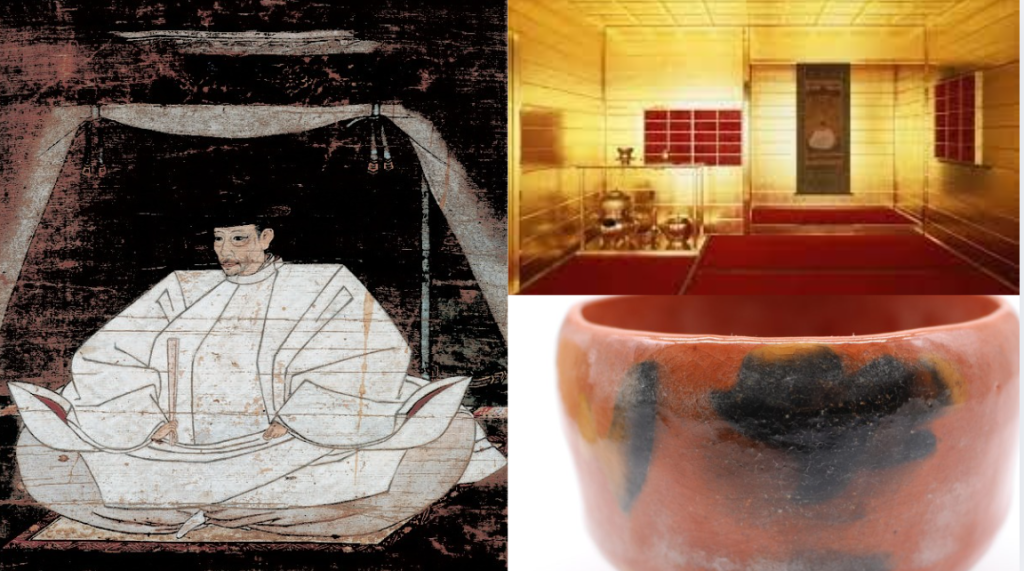
One person who disagreed with this was Sen no Rikyu.
After Hideyoshi had completed his first military campaign, he was planning to launch a second invasion of Korea, and instead of purchasing expensive pottery overseas, Rikyu had tile craftsman Chojiro fire domestically produced black and red Raku tea bowls using glazes made from the soil at the foot of Hideyoshi’s Jurakudai residence and, as mentioned above, the black stones of the Kamo River.
It was as if he was saying, “Look at your feet”.
Hideyoshi was fond of these tea bowls, especially the Akaraku, but he still decided to invade Korea for a second time.
He ordered Sen no Rikyu to commit seppuku.
There are various theories as to why Sen no Rikyu committed seppuku, and it has long remained a mystery, but I believe the timing, given that it occurred between the first and second invasions of Korea, was one of the major reasons.
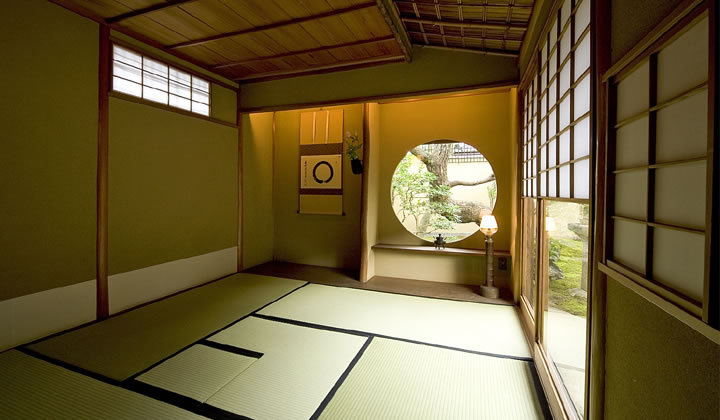
In other words, Sen no Rikyu risked his life to stop war and preach about “knowing contentment.” Tea bowls made from the clay and glaze at his feet, and tea scoops that he made himself by carving bamboo. And ultimately, a tiny, one-and-a-half-tatami-sized tea room. As the Zen saying goes, “The sun and the moon are long in a jar,” there is no end to external abundance, but if you perfect your inward pursuit, you can enjoy a rich life all day long, even in a small, cramped space like the inside of a jar.
If people all over the world could adopt this mindset, even just a little at a time, perhaps war would disappear from the world.
Four hundred years ago, during the Warring States period, when conflict was constant both in Japan and around the world, Sen no Rikyu’s wish for peace was important, but unfortunately not completed.
However, in modern times, anyone can take part in a tea ceremony and experience the many peace-wishing mechanisms left behind by pioneering tea masters such as Sen no Rikyu. The experience of people from different countries sitting together and drinking Matcha will bring us closer to world peace.
▼Full of peace-building ideas conceived by Sen no Rikyu! Learn about the secrets of the tea room, tea garden, and tea roji.
Tea ceremony for beginners. <COMING SOON>
Leave a Reply